
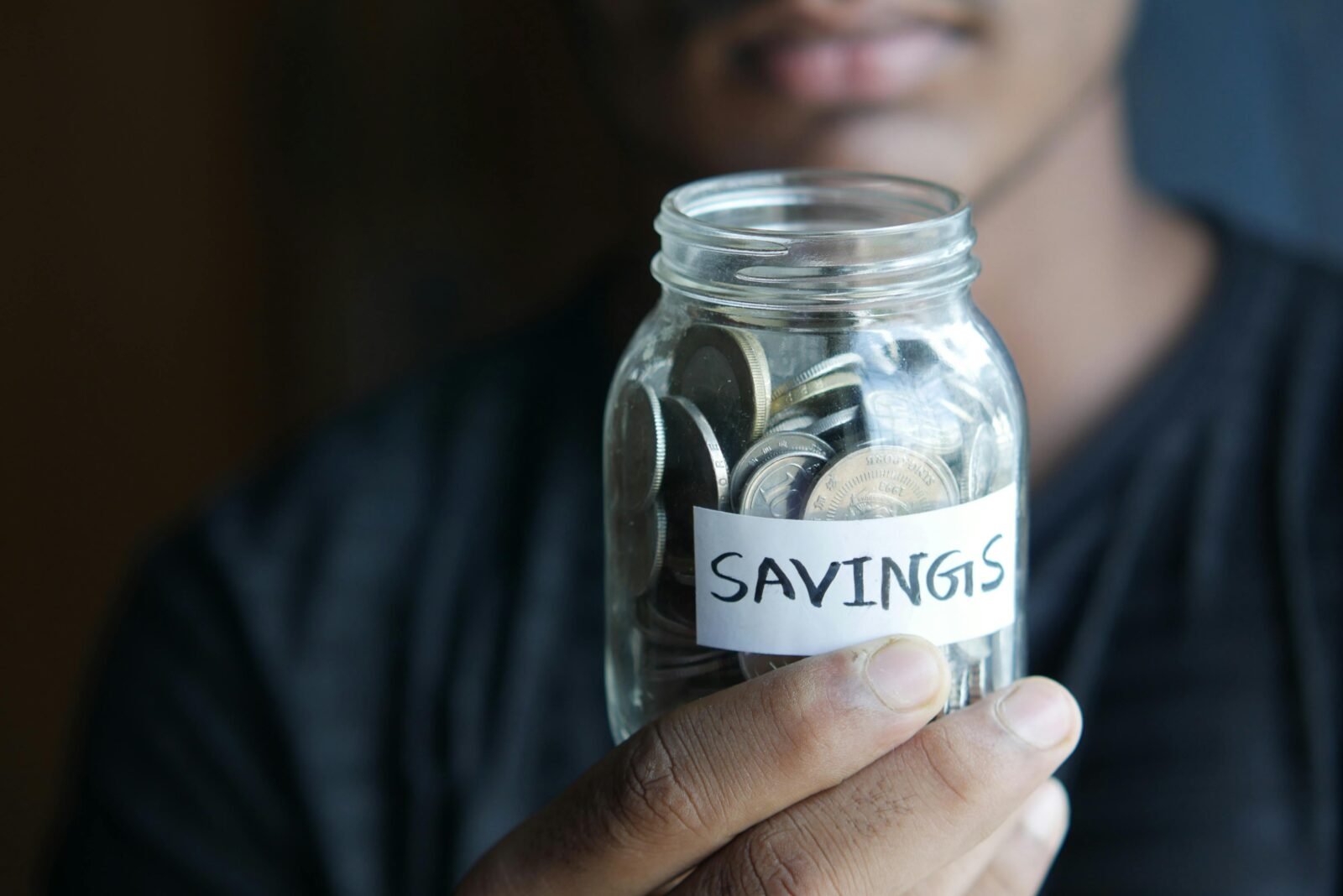
30-Day Money-Saving Challenge to Boost Your Bank Account
You know that feeling when you check your bank account and wonder where all your money went? You’re not alone. Most of us aren’t dealing with a major spending problem we’re just letting small, invisible leaks drain our accounts day after day. The good news? You don’t need a complete financial overhaul to see real results.
This 30-day money-saving challenge isn’t about depriving yourself or living on rice and beans. It’s about plugging those leaks strategically, building smarter habits, and watching your account balance actually grow instead of shrink. Each day focuses on one specific action that takes 30 minutes or less but creates lasting impact. By the end of the month, you’ll have systems in place that keep working long after the challenge ends.
Let’s get started with a realistic, sustainable approach to building your savings no extreme measures required.
How This Money-Saving Challenge Actually Works
Unlike traditional savings challenges that ask you to stuff cash in jars or follow arbitrary savings amounts, this challenge focuses on fixing the systems that drain your money in the first place. Think of it as financial home maintenance you’re identifying leaks, sealing them up, and creating structures that prevent future problems.
Each week tackles a different aspect of your finances. Week one focuses on awareness and quick wins. Week two addresses your biggest recurring expenses. Week three builds sustainable systems. Week four creates momentum for long-term success. This progression matters because you’re not just saving money temporarily you’re rewiring how money flows through your life.
The average person who completes this challenge saves between $300 and $800 in the first month alone. More importantly, the habits you build typically save $200 to $400 every single month going forward. That’s $2,400 to $4,800 per year without feeling deprived.
Week 1: Awareness and Immediate Wins
Day 1: Track Every Dollar for 24 Hours
Before you can fix anything, you need to see where your money actually goes. Set a reminder on your phone to log every single purchase, no matter how small. That $2.50 coffee, the $1.99 app, the $8 lunch write it all down in your phone’s notes app or a simple notebook.
Most people discover they’re spending $50 to $100 more per week than they realized, mostly on convenience purchases. This isn’t about judging yourself. It’s about getting honest data.
Day 2: Cancel One Forgotten Subscription
Open your bank and credit card statements from the past three months. Hunt for recurring charges you barely use. The average household pays for 3.4 subscriptions they’ve completely forgotten about, bleeding roughly $40 to $70 per month.
Cancel at least one today. Don’t tell yourself you’ll use it more if you haven’t used it in three months, you won’t. This single action often saves $120 to $300 per year.
Day 3: Audit Your Grocery Receipt
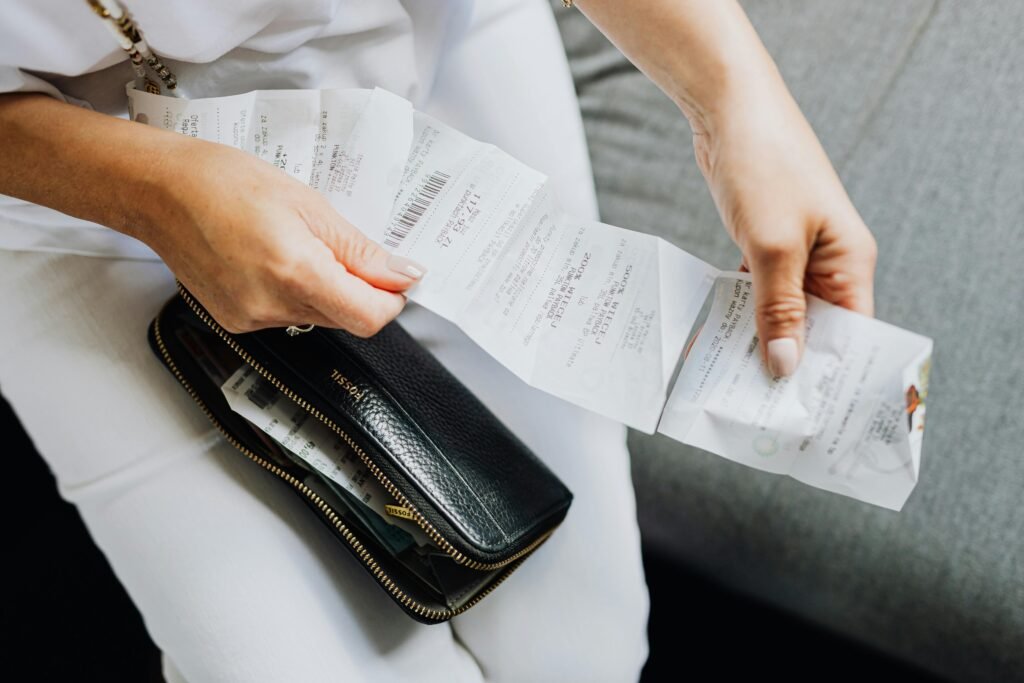
Pull out your last grocery receipt and highlight everything that wasn’t on a list or wasn’t a staple ingredient. Those impulse buys typically add 20 to 30 percent to your grocery bill. A family spending $600 monthly on groceries is usually overspending by $120 to $180 on items they didn’t plan to buy.
Going forward, shop with a list and stick to it. This one habit saves most families $1,400 to $2,100 annually.
Day 4: Switch to a High-Yield Savings Account
If your savings account earns less than 4 percent interest, you’re leaving money on the table. Most traditional bank savings accounts pay 0.01 to 0.5 percent, which means your money barely grows. High-yield savings accounts currently offer 4 to 5 percent.
On a $5,000 balance, that’s the difference between earning $2.50 per year and earning $200 to $250 per year. Open an account today most online banks let you complete the process in 15 minutes.
Day 5: Meal Prep One Bulk Ingredient
The biggest leak in most food budgets isn’t fancy dinners it’s buying lunch because you have nothing ready to eat. Today, cook one versatile ingredient in bulk: rice, beans, chicken, ground beef, or roasted vegetables.
This simple act typically prevents three to five emergency takeout orders per week. At $12 to $15 per meal, you’re saving $36 to $75 weekly, or $1,800 to $3,900 yearly.
Day 6: Set Up Account Balance Alerts
Most banks let you set up text or email alerts when your balance drops below a certain amount. Set yours for $100 above what you consider your “danger zone.” This prevents overdraft fees, which average $35 per occurrence.
People who use balance alerts overdraft 60 percent less often. If you typically overdraft twice per year, this saves you $70 annually and prevents the stress and scrambling that comes with it.
Day 7: Calculate Your Weekly “Leak Number”
Add up all the awareness you’ve gained this week. What’s your total for forgotten subscriptions, impulse grocery items, and convenience meals you could have prevented? This is your weekly leak number.
Multiply it by 52 to see your annual leak. For most people, this number falls between $2,000 and $5,000. That’s money currently slipping through your fingers that you’re about to reclaim.
Week 2: Tackling Your Biggest Expenses

Day 8: Call Your Car Insurance Company
You’re probably overpaying for car insurance. Today, call your current provider and ask three specific questions: “What discounts am I not taking advantage of?” “What would my rate be if I increased my deductible to $1,000?” and “Do you have any loyalty discounts?”
Then get two competing quotes. You don’t have to switch, but having competing offers gives you negotiating power. The average person who does this saves $300 to $400 per year on car insurance.
Day 9: Review Your Phone Plan
Most phone plans include services you don’t use. Do you really need unlimited data if you’re on Wi-Fi 90 percent of the time? Are you paying for premium features you never use?
Call your provider or check their website for lower-tier plans. Moving from a $80 unlimited plan to a $40 limited plan saves $480 yearly. Many people find they don’t even notice the difference.
Day 10: Negotiate One Recurring Bill
Pick your highest negotiable bill internet, cable, or gym membership. Call and say: “I’ve been a customer for X years. What loyalty discounts or promotions can you offer me? I’m considering other providers.”
Companies almost always have retention offers they won’t advertise. Even a $10 monthly reduction saves $120 yearly. Most people successfully negotiate at least one bill down by $15 to $30 per month.
Day 11: Refinance or Restructure Debt
If you carry credit card debt, today is the day to explore balance transfer cards with 0 percent introductory rates or personal loans with lower interest rates. If you have a mortgage or student loans, check current refinancing rates.
Refinancing $10,000 in credit card debt from 18 percent interest to a 6 percent personal loan saves roughly $1,200 in the first year alone. Even if you don’t complete the process today, researching your options takes 30 minutes and could save you thousands.
Day 12: Audit Your Utility Usage
Look at your electricity and water bills. Are you paying for peak-hour usage when you could shift laundry and dishwashing to off-peak times? Is your water heater set higher than 120 degrees?
Small adjustments typically reduce utility bills by 10 to 15 percent. On a $150 monthly combined utility bill, that’s $180 to $270 saved per year just by being strategic about when and how you use resources.
Day 13: Create a Bill Calendar
Write down every single bill you pay, when it’s due, and the amount. This prevents late fees, which average $30 per occurrence and hit most households at least twice per year.
Set up autopay for fixed bills and calendar reminders for variable ones. This system saves $60 to $120 yearly in late fees and protects your credit score from dings caused by late payments.
Day 14: Review Week Two Savings
Calculate how much you’ve saved or will save annually from this week’s actions. Most people find they’ve secured $800 to $1,500 in ongoing annual savings. That’s real money back in your pocket every single month going forward.
Week 3: Building Sustainable Systems
Day 15: Implement the 24-Hour Rule
Starting today, any non-essential purchase over $25 requires a 24-hour waiting period. Add it to a list or leave it in your online cart. If you still want it tomorrow, buy it. If not, you’ve saved money and avoided clutter.
This rule eliminates impulse purchases, which account for 40 to 80 percent of all shopping expenses. The average person who uses this rule reduces discretionary spending by $150 to $300 per month.
Day 16: Create a “No-Spend” Category List
Identify 2-3 spending categories where you’ll spend zero dollars for the rest of the month. Common choices: restaurants, coffee shops, clothing, home décor, or entertainment subscriptions.
This isn’t permanent deprivation it’s a focused experiment. Most people discover they don’t miss these purchases as much as expected and save $100 to $250 during the remaining two weeks of the challenge.
Day 17: Build a Price Book

In a simple notebook or spreadsheet, start tracking the regular price of items you buy frequently. Include three stores or websites for each item. This becomes your reference guide for recognizing real deals versus fake sales.
People who use price books stop falling for marketing tricks and save 15 to 25 percent on regular purchases. On a $400 monthly shopping budget, that’s $60 to $100 saved monthly, or $720 to $1,200 yearly.
Day 18: Automate Your Savings
Set up an automatic transfer from checking to savings the day after your paycheck hits. Start with just $50 to $100 per paycheck if that feels comfortable. You can always increase it later.
Automated savings removes willpower from the equation. People who automate save 3 to 5 times more than people who try to remember to transfer manually. Even $50 per paycheck becomes $1,300 per year.
Day 19: Create a “Fun Money” System
Restriction without release leads to binge spending. Allocate a specific amount weekly for guilt-free spending on whatever you want coffee, treats, small purchases. For most people, $20 to $40 weekly works well.
This system prevents the deprivation-rebellion cycle. You’ll spend less overall because you’re not feeling restricted, and when you do spend, there’s no guilt attached.
Day 20: Establish a “Replacement Only” Shopping Rule
For the rest of this challenge and ideally beyond, only buy items when you’re replacing something worn out or used up. No “just in case” purchases. No “good deal” purchases. Replacement only.
This rule eliminates accumulation spending, which drains $50 to $200 monthly for most households. Over a year, that’s $600 to $2,400 saved by simply waiting until you actually need something.
Day 21: Review Your System Wins
This week wasn’t about individual savings it was about building frameworks that save money automatically. These systems compound over time. The 24-hour rule you started today will save you money next month, next year, and five years from now without requiring additional effort.
Week 4: Creating Long-Term Momentum
Day 22: Calculate Your True Hourly Wage
Take your monthly take-home pay and divide it by the hours you actually work, including commute time, getting ready for work, and decompression time after work. This is your true hourly wage usually 30 to 40 percent lower than you think.
Now evaluate purchases through this lens. Is that $60 impulse buy worth four hours of your actual work? This perspective shift dramatically reduces unnecessary spending.
Day 23: Develop a “Cost Per Use” Mindset
Before buying anything, estimate how many times you’ll use it and calculate the cost per use. A $100 pair of shoes worn 100 times costs $1 per wear. A $30 kitchen gadget used twice costs $15 per use.
This framework helps you invest in quality items you’ll use frequently while avoiding cheap purchases that seem affordable but deliver poor value. It typically redirects $500 to $1,000 annually from waste to worthwhile purchases.
Day 24: Create a Visual Savings Tracker

Make your progress visible. Use a simple chart, graph, or even a thermometer drawing showing your savings goal and current progress. Update it weekly. Physical visibility increases savings success rates by 40 to 60 percent.
People who can see their progress are far more likely to continue saving behaviors after the initial challenge ends.
Day 25: Identify Your Top 3 Money Drains
Look back at your spending for the past three weeks. What are the top three categories where money disappears? For most people, it’s food (restaurants and convenience), entertainment, and shopping.
Develop one specific strategy for each drain. If restaurants are your weakness, meal prep Sunday and Wednesday. If it’s shopping, unsubscribe from promotional emails. Targeted strategies work better than general willpower.
Day 26: Plan Next Month’s Irregular Expenses
Look ahead at the next 60 days. What irregular expenses are coming? Birthday gifts, car registration, seasonal clothing, school supplies? Write them all down and divide the total by two to see what you need to set aside this month and next.
This prevents the “surprise” expenses that derail savings plans. Most households face $200 to $400 in irregular expenses monthly planning for them means they don’t wreck your budget.
Day 27: Evaluate Your Biggest Win
What single change from this challenge has made the biggest difference for you? Double down on it. If meal prepping saved you the most, commit to making it a permanent Sunday routine. If canceling subscriptions freed up cash, audit them quarterly going forward.
Your biggest win reveals your biggest leak. Keeping that fix in place permanently can save you $1,000 to $3,000 annually.
Day 28: Set Your Next 30-Day Goal
You’ve built momentum. Use it. Set a specific savings goal for the next month. Maybe it’s building a $500 emergency fund, or saving for a specific purchase without using credit, or reducing your grocery bill by another 10 percent.
Specific goals are 3 times more likely to be achieved than vague intentions like “save more money.”
Day 29: Share Your Progress
Tell someone what you’ve accomplished. Share your total savings number with a friend, family member, or online community. Accountability increases the likelihood you’ll maintain these habits by 65 percent.
You don’t need to share details just the fact that you took action and saw results. Most people find that sharing creates positive momentum and encouragement.
Day 30: Calculate Your Total Impact
Add up everything: subscription cancellations, bill negotiations, prevented impulse purchases, automated savings transfers, and avoided fees. Most people save $400 to $900 during the challenge itself, but more importantly, you’ve set up systems that will save $200 to $500 every month going forward.
That’s $2,400 to $6,000 per year. Not from deprivation, but from being intentional.
Common Mistakes That Sabotage Money-Saving Challenges
The biggest mistake people make is trying to do too much at once. They cancel every subscription, cut every expense, and create a budget so restrictive it lasts three days before they binge spend in rebellion. This challenge works because it’s gradual. One action per day is sustainable. Thirty actions at once isn’t.
Another common error is not tracking results. If you don’t measure what you’re saving, you won’t feel the progress, and you’ll lose motivation. Keep a running total of your wins. Seeing $47 become $93, then $180, then $340 creates momentum that keeps you going.
Many people also make the mistake of focusing only on cutting expenses without addressing the systems that created overspending in the first place. Canceling a subscription doesn’t help if you immediately sign up for a different one. Building the “24-hour rule” system prevents the subscription problem from recurring.
Finally, people often quit the moment they slip up. You went out to eat when you planned to cook? That doesn’t mean the challenge is over. It means you’re human. One meal out doesn’t erase the fifteen other smart decisions you made this week. Progress, not perfection, is the goal.
What to Do After the Challenge Ends
The real magic happens when these 30 days become your new normal. Choose 5 to 7 actions from this challenge that felt easiest and most impactful, and commit to making them permanent habits. For most people, that’s meal prepping, the 24-hour rule, automated savings, price tracking, and quarterly bill reviews.
Schedule a monthly “money date” with yourself 30 minutes to review spending, celebrate wins, and adjust strategies. This prevents backsliding and keeps your financial awareness sharp.
Consider running a modified version of this challenge every quarter, focusing on different areas each time. Quarter one might focus on food and subscriptions. Quarter two might tackle insurance and utilities. Quarter three could address holiday spending before it happens.
The habits you’ve built over these 30 days have the potential to shift your entire financial trajectory. A person who saves an extra $300 per month and invests it in a retirement account will accumulate over $230,000 in 20 years, even at modest returns. That’s life-changing money created from small, sustainable daily choices.
Your Next Step: Pick Day One
You don’t need to wait until the first of the month or Monday or after the holidays. Start today with Day 1 track every dollar for 24 hours. That’s it. Just 24 hours of awareness. Tomorrow you’ll tackle Day 2, and by this time next month, you’ll have more money in your account and stronger systems protecting it.
The difference between people who build wealth and people who struggle isn’t usually income—it’s these small, consistent habits. You’ve just been handed 30 of them. Your bank account is about to thank you.